
Draft — pending verification by Sanifix. This page carriesnoindex until it is reviewed and published.
MS 1061: The Malaysian Standard for Vitrified Clay Sewer Pipe Explained

 MSBS ENISO
Talk to our technical team +603-87062522 WhatsApp onlineshop@sanifixhardware.com
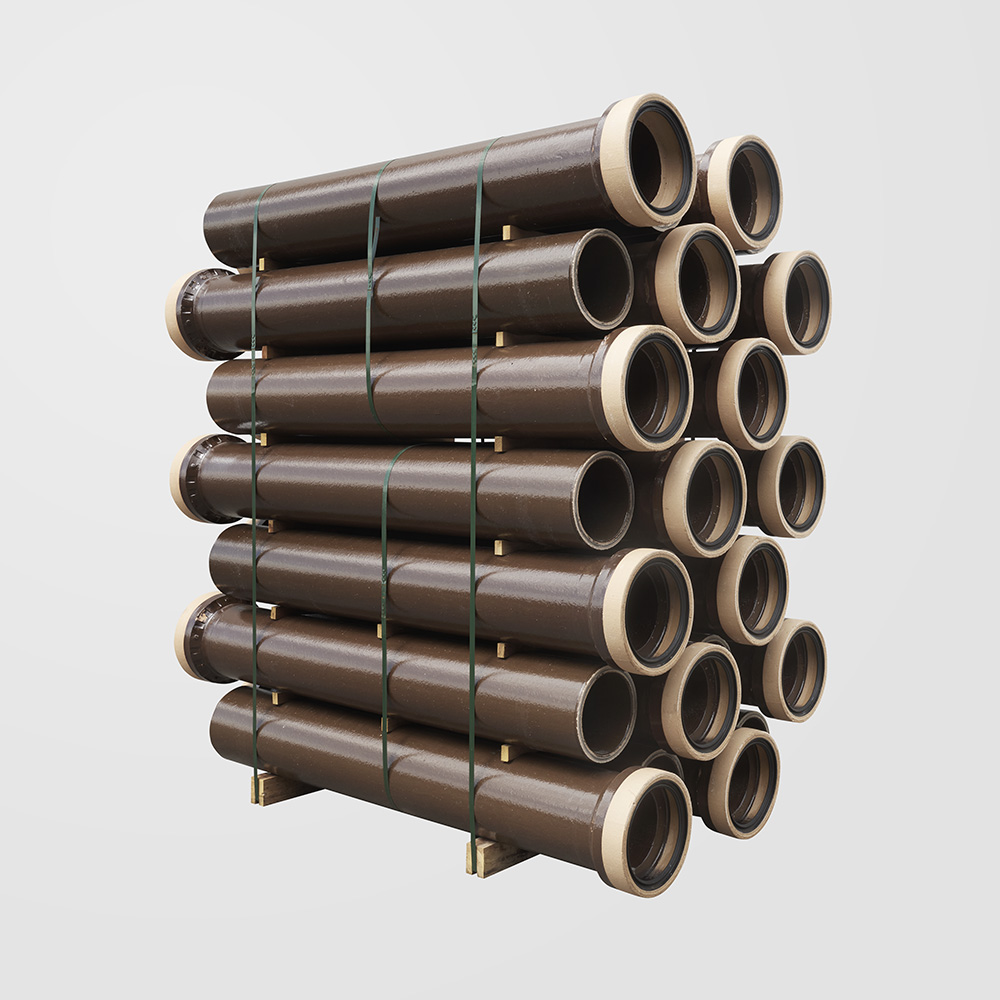
Standard: MS 1061:1999 · VCP pipe & fittings (Sunway VCP)
What MS 1061 covers
MS 1061 is the Malaysian Standard for vitrified clay pipes and fittings used in sewerage and drainage. Vitrified clay is fired at high temperature until the surface vitrifies into a hard, glass-like glaze — inside and out — giving the pipe its defining properties: it does not corrode, resists chemical attack, and carries a design life measured in decades.
For public sewerage under Indah Water Konsortium (IWK) and local authorities, VCP to MS 1061 is the conventional approved material for gravity sewer mains, particularly where depth, ground conditions, or effluent aggressiveness rule out plastics.
MS 1061 and BS EN 295
MS 1061 aligns closely with BS EN 295, the European standard for vitrified clay pipe systems. Supplier product is commonly approved to both designations — when a schedule cites either, confirm with the consultant that the other is accepted as equivalent. Both are referenced verbatim on the manufacturer’s product data.
Joints, glazing, and handling
- Flexible socket/spigot joints — prefabricated flexible joints accommodate ground movement without cracking the barrel.
- Fully glazed, inside and out — smooth bore resists deposits and hydrogen-sulphide attack common in sewers.
- High structural strength, brittle body — clay is strong in compression but unforgiving of point loads; correct bedding and careful handling are part of the specification, not an optional extra.
When VCP is specified over plastic
Authorities and consultants typically favour VCP for deep or traffic-loaded mains, aggressive industrial effluent, high-temperature discharge, and long design-life trunk sewers. HDPE corrugated and UPVC systems win on installation speed and cost for shallower, less aggressive duty — see the sewerage hub for the three-material comparison.
What to confirm before you order
- Standard cited (MS 1061 and/or BS EN 295) and accepted equivalents
- Diameter and crushing strength class for the depth and load
- Joint type — flexible socket/spigot — and fittings to match
- Bedding class and installation method stated in the specification
- Authority acceptance (IWK / local authority) for the project
For the available diameter range and product details, see the VCP spec table, then send your sewerage BOQ for a quotation.