
Draft — pending verification by Sanifix. This page carriesnoindex until it is reviewed and published.
Data Centre Fire-Fighting Piping in Malaysia

Talk to our technical team +603-87062522 WhatsApp onlineshop@sanifixhardware.com
The fire scope on a data centre
A DC fire-protection package spans several systems, and they do not share one pipe spec:
- External hydrant ring and yard mains — the buried or exposed ring main feeding hydrants around the building and tank/pump room.
- Hosereel and internal wet riser lines — the building’s first-aid firefighting pipework.
- Sprinkler pipework — protecting offices, corridors, MEP support areas, and other non-hall spaces.
- Data halls — typically protected by gas suppression and often pre-action sprinkler arrangements rather than conventional wet systems; the water-side pipework still needs supplying to the approved design.
Each system carries its own material, jointing, and documentation expectations. The procurement mistake is treating “fire pipe” as one line on the BOQ.
Material selection: GI vs black steel
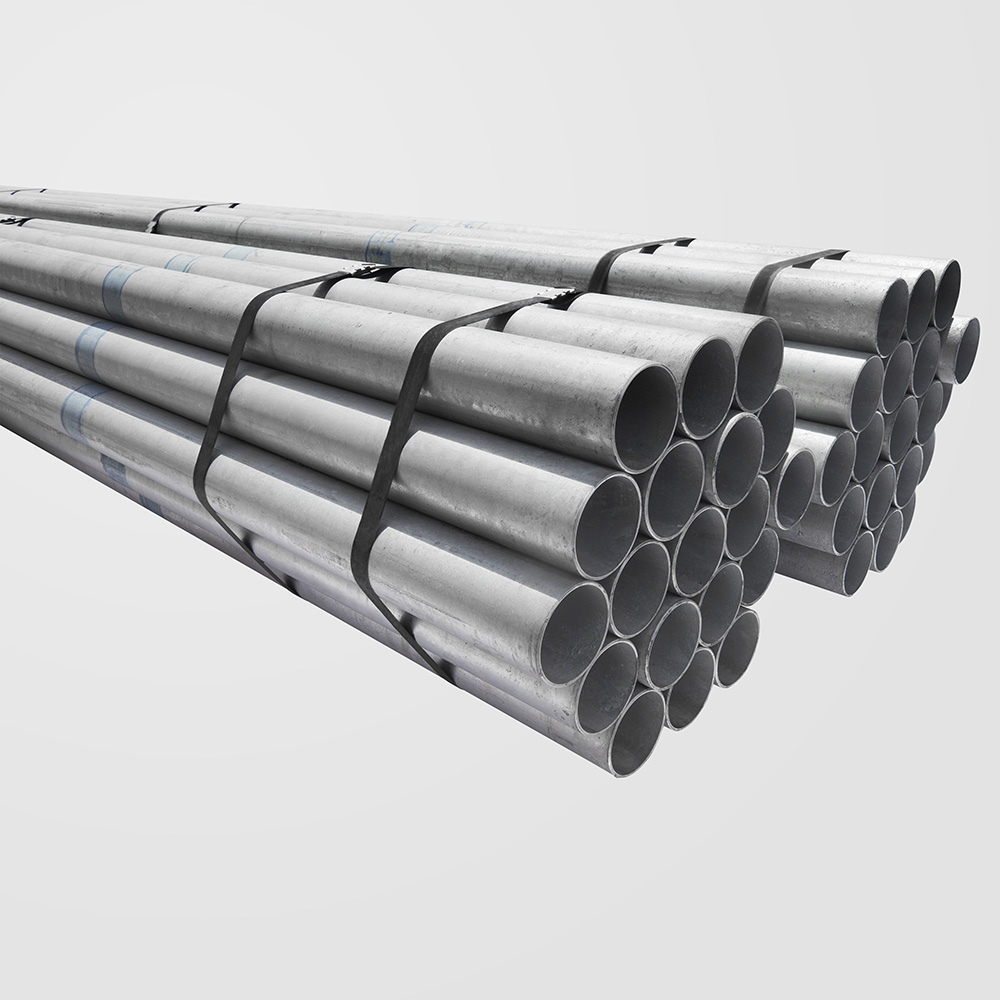
GI pipe is the workhorse for hosereel, hydrant, and many sprinkler lines: the galvanising protects against the corrosion that quietly kills standby fire systems — pipe that sits charged or stagnant for years between tests. Our GI is MIG-MELEWAR to BS EN 10255 (the successor to BS 1387, which older fire specs still cite); the GI spec table carries the series system and properties as published.
Black welded steel appears on larger ring mains, pump-room headers, and where the approved design calls for it — usually welded or grooved at the bigger diameters.
Jointing follows the same logic as cooling pipework — threaded on small GI lines, grooved couplings for speed and re-work on mid sizes, welded or flanged at the plant-room end — with one extra constraint: the jointing method is part of the approved design. Changing it mid-job is not a site decision; it goes back through the consultant and the approval chain. See data centre cooling & chilled-water piping for the grooved-vs-welded programme trade-offs, which apply here equally.
Malaysian standards and approval context
Fire-protection systems in Malaysia are specified against Malaysian Standards and approved by Jabatan Bomba dan Penyelamat Malaysia under the Uniform Building By-Laws framework. The standards commonly cited for DC fire packages include the MS 1489 family (fire hydrant systems), MS 1910 (fixed fire fighting — automatic sprinkler systems), and MS 2616 (fire extinguishing installations context). Where a project adopts FM Global or NFPA design practice — common on hyperscale DC builds with international insurers — the materials and design are accepted with prior Bomba approval, not by default.
These designations are named here as context only. Revisions change, project specifications differ, and approval rests with the authority having jurisdiction. Confirm the current standard revision and the approval pathway with Bomba (or the project’s appointed fire consultant) before submittal — we do not give regulatory advice, and this page is not a substitute for it.
Certification and documentation: the paper trail is part of the product
A fire system is only as approved as its documentation. The package that survives inspection includes:
- Mill certificates for the pipe, tying the delivered batch to the declared standard.
- Material submittals matching what was approved — series, standard, jointing — with any substitution covered by a written concession.
- Test and commissioning records — flushing, hydrostatic test, and alarm interface sign-offs per the approved procedure.
Ask for certification status with the quotation and keep it in the submittal file. A missing mill cert discovered at the pre-commissioning inspection is a re-order at the worst possible moment in the programme.
Specification checklist
- Standard cited per system line (hydrant / hosereel / sprinkler / ring main)
- GI vs black steel selection per the approved design
- Jointing method per line approved (threaded / grooved / welded / flanged)
- Mill certs and test documentation requested with the quotation
- Hydrant, valve, and coupling lead times confirmed against programme
- Bomba / authority-having-jurisdiction requirements verified before submittal
- Any FM/NFPA design elements covered by prior Bomba approval
Buying the fire package from Sanifix
Sanifix supplies the hydrants & fire range, G.I. pipes (15–350 mm, BS EN 10255), black welded steel pipes, and flanged valves — gate, butterfly, check for DC fire packages. Send your fire-protection BOQ and the standards your consultant has cited — we quote the pipe, hydrants, and valves as one package and confirm certification status in writing. For GI conduit and cable-sleeve work on the electrical package, see the Electrical & Telecom Protection hub; all four DC trade packages are covered on the data centre hub.